|
Photo Gallery
|
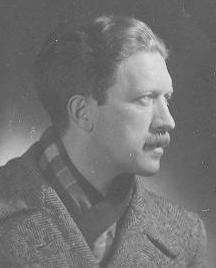
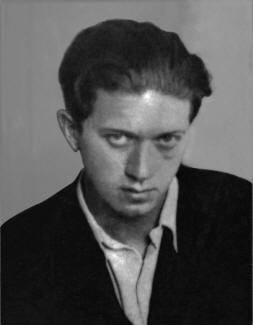
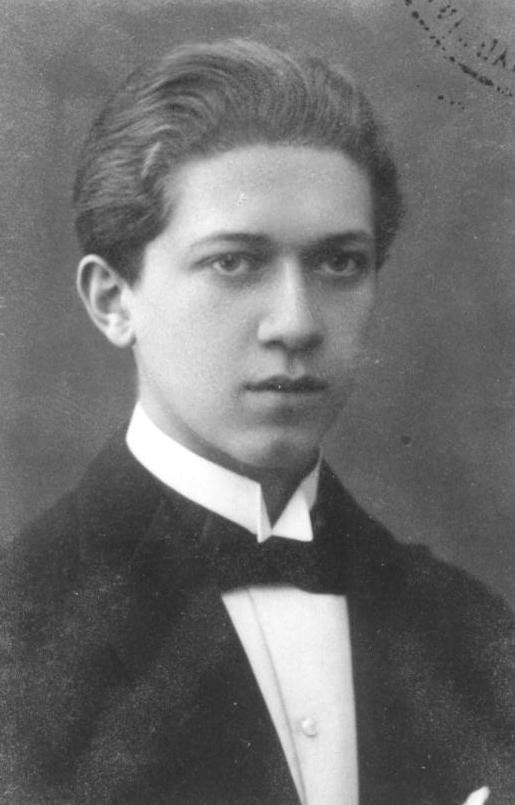
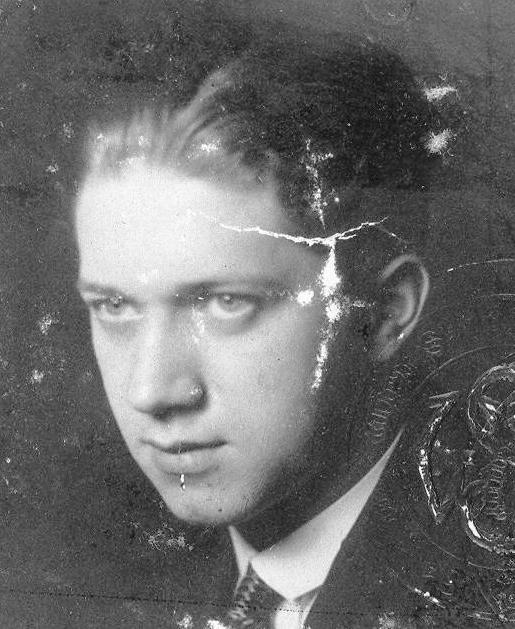
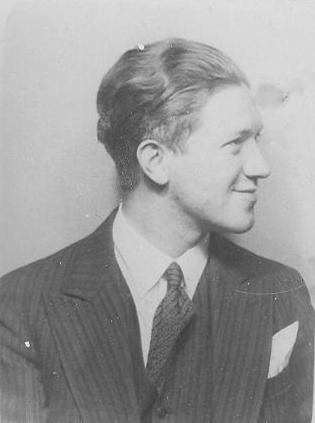
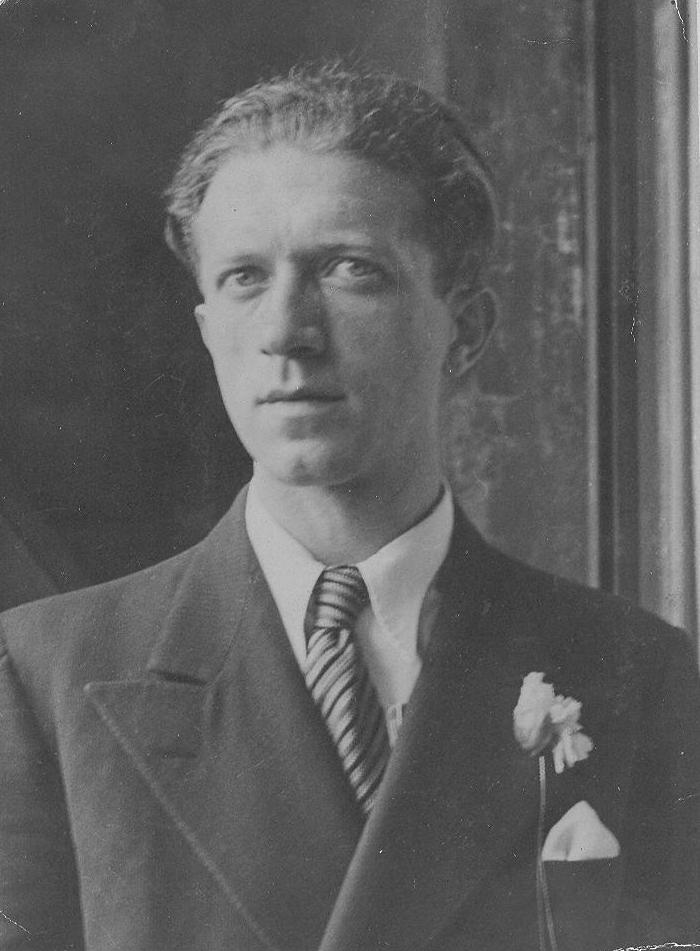
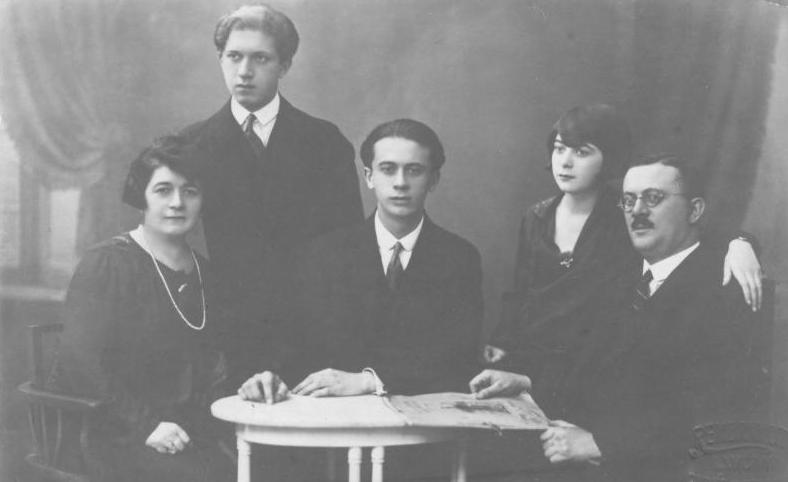
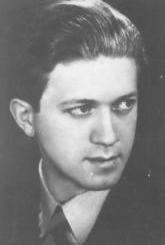
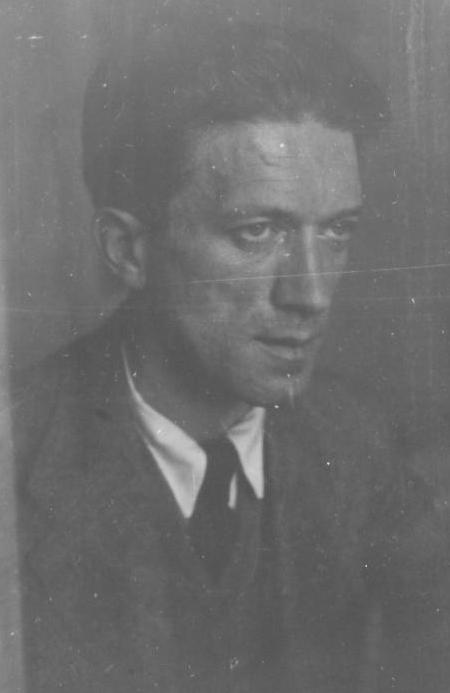
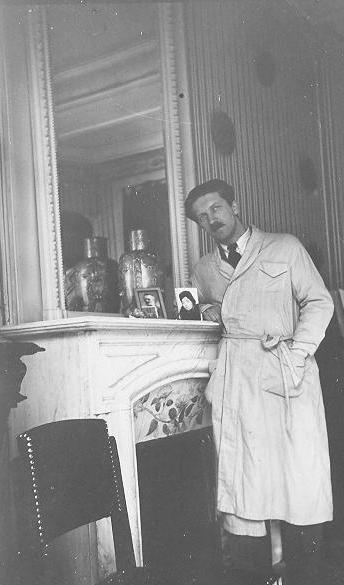
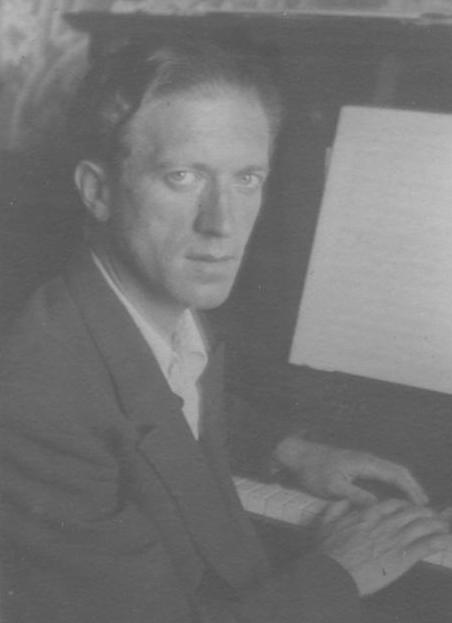
Joseph Beer The son of
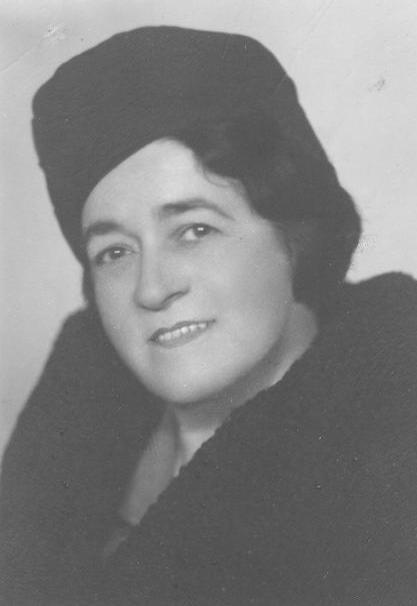
a wealthy banker and a doting "Jewish mother," Joseph Beer was born in
Chodor�w (Galicia,
Poland) in 1908 and spent a pampered childhood
in the Habsburg Austrian city then known as Lemberg (later
Lwow, Poland; presently Lviv,
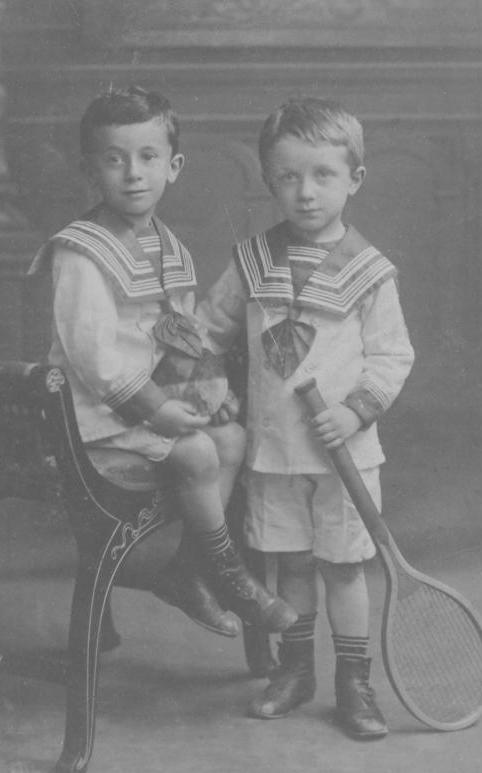
Ukraine). He had two siblings, Joachim, one year
older and a baby sister, Suzanne four years younger. While his father was a strict disciplinarian who showed his love through the high standards he set for the children's education, his mother was gentle and soft-hearted, secretly spoiling her children. Joseph was absolutely devoted to her, and she was for him a constant source of moral support and inspiration. Having tried to come up with
his own musical notation system at age seven, not aware that one already
existed, Joseph Beer, by the time he was thirteen, was already spending
most of his nights composing, the beginning of a lifelong
habit. While in high school, he also attended classes at the
Lwow Conservatory. Upon graduating from high school, despite his father's insistence that he become a lawyer, he was determined to be a composer. After completing a year in law school to please his father, he persuaded his family to allow him to go to Vienna (then the music capital of the world) and to audition at the Hochschule f�r Musik.
On arriving at the train station in Vienna, he happened to meet one of his best friends from back home, a gifted young violinist who was returning to Lwow following an unsuccessful audition at the Hochschule f�r Musik. Being admitted to an exclusive Austrian school which enforced quotas for both Poles and Jews was no mean accomplishment. Not only was Joseph admitted, but he was allowed to skip the first four years and enter directly into the Master Classes of the renowned composition teacher and composer, Joseph Marx. At this point, his father was completely won over. He set Joseph up in a two-bedroom apartment in central Vienna with his own baby-grand! Joseph had won the right to pursue his dream of musical composition. Little did he realize then that he had also escaped his hometown with his life. Joseph's violinist friend, along with but a handful of the 110,000 Jews of Lwow were murdered during the Holocaust. At the Hochschule f�r Musik, Joseph attracted the attention and support of Professor Marx and was graduated from the school with highest honors in 1930.
He soon joined an established Viennese ballet company Rainer Simons as chorus coach and conductor and toured with the company extensively in Austria and throughout the Middle East, garnering enthusiastic reviews.
It was the
Middle East tour which set the stage for his connecting
with a man who would become one of his closest associates,
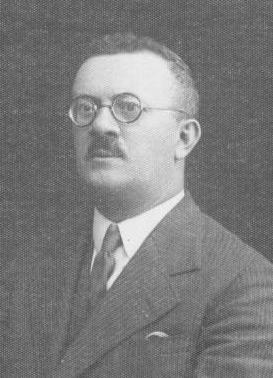
Dr. Fritz L�hner-Beda,
perhaps the most acclaimed Viennese operetta librettist of his time.
While
touring Palestine, Joseph was persuaded by a local composer to take some
the fellow's compositions back to Austria to play for
L�hner-Beda. Back
in
Vienna a few months later, Joseph fulfilled his promise. But performing
the music
at the piano for
L�hner-Beda, he detected a lack of interest on
"Beda"'s
part. Simultaneously, he noticed through the glass panel of the
door that one of his old conservatory buddies was listening. He was
mortified to think
that his
friend might take this to be his own music. So when
L�hner-Beda signaled
the end of the audition, Joseph boldly asked if he might play a sample
of his own
music. . .
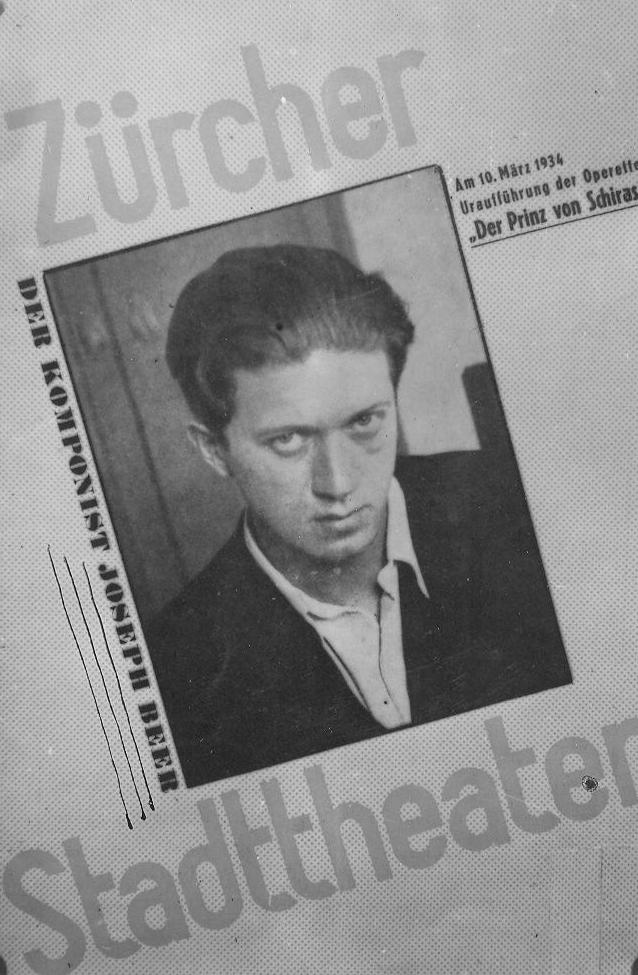
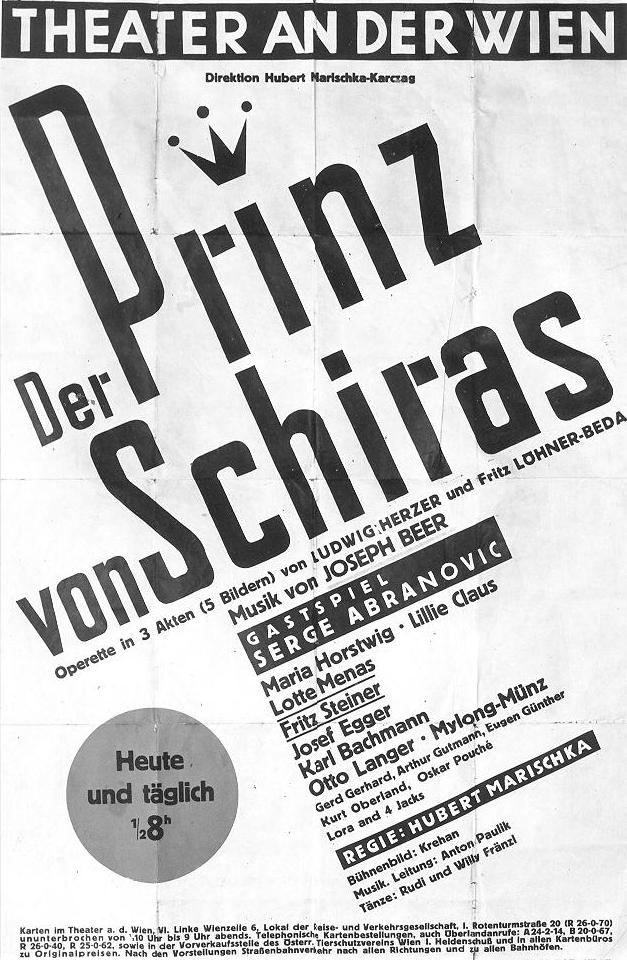
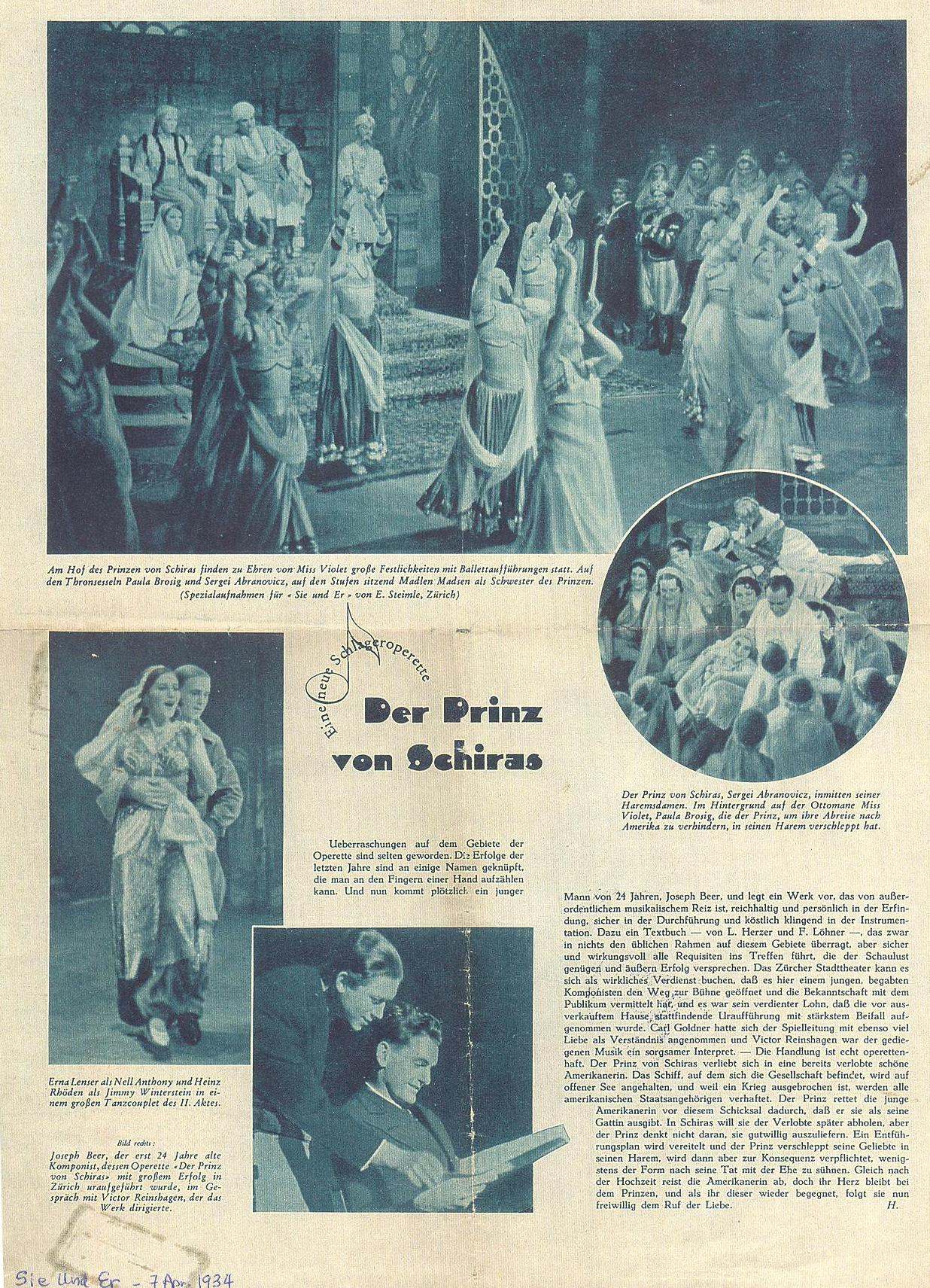
Following an extremely successful debut, the opera was taken throughout Europe to the major stages of Vienna (Theatre an der Wien), Salzburg, Warsaw (Teatr Wielki), Madrid (Teatro Fontalba) and Stockholm among others. It received extensive radio broadcast, was often recorded and taken on a tour of South America by the Luis Calvo Co.
All the
while, Joseph had been keeping his family back home in Poland abreast of
each and every one of his early successes. Even while signing a
contract, he later revealed that he would be mentally composing the
contents of a telegram home to communicate the good news. The entire
family came to Vienna to attend performances of the opera at the famed
Theatre an der Wien. And when the premiere of Prinz von
Schiras was broadcast in
Lwow over the short-wave radio, the
family and all their relatives gathered at the Beer's home. His father
timed the duration of the thundering applause given the tenor's
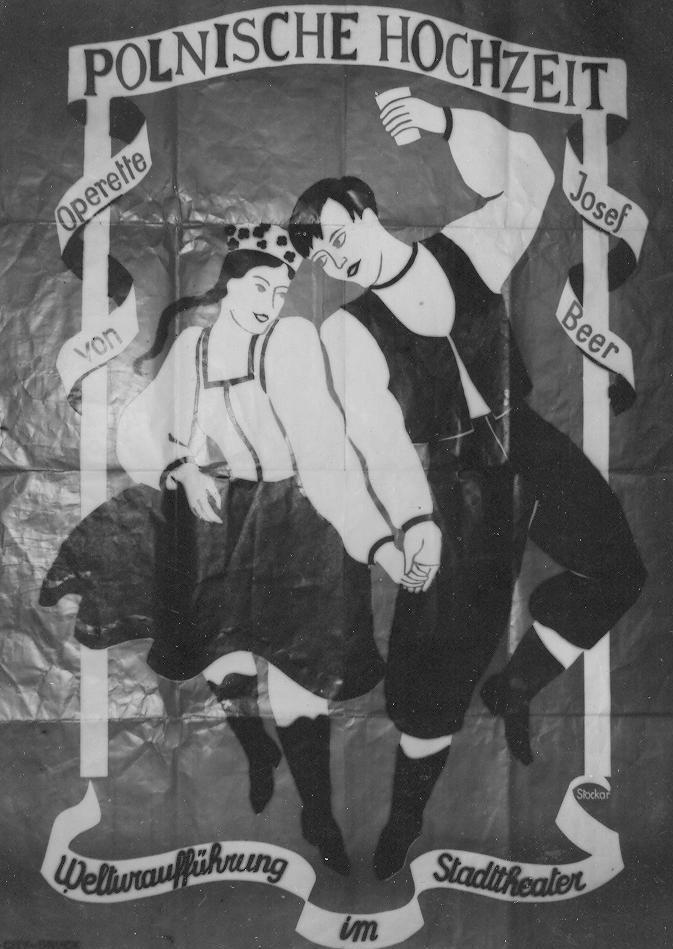
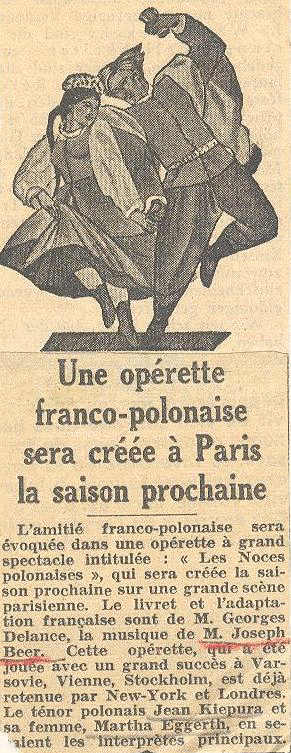
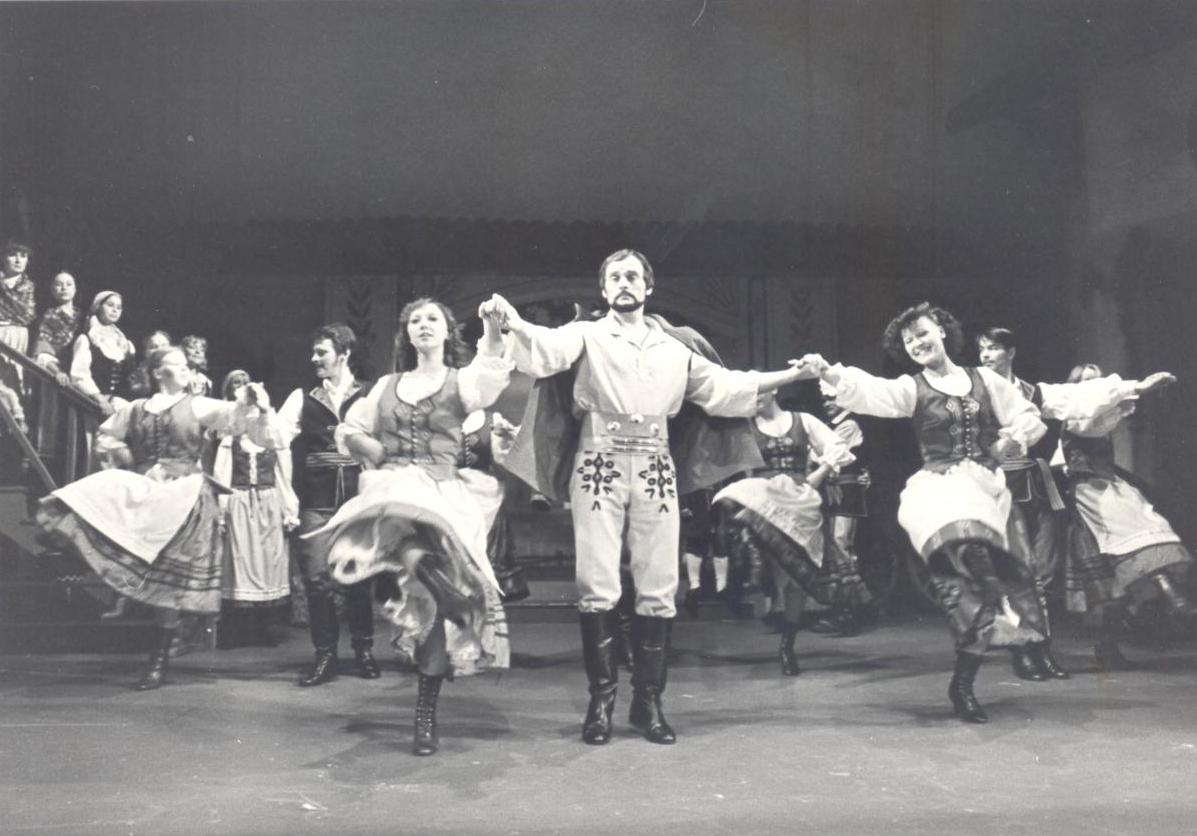
aria, "Du Warst Der Selige Traum": it had lasted 17 minutes. Three years later, in 1937, came the second of the two Beer/Beda operas, Polnishe Hochzeit, composed in but a few weeks. With a libretto co-authored by the established lyricist Alfred Gr�nwald, it was set during the Polish war for independence from Russian occupation in the early 1800's. it too premiered at the Zurich Opera House. A huge success, it was subsequently performed on some 40 stages and translated into 8 languages.
With the attendant acclaim and
publicity, the young composer's star was
on the
rise. Colleagues and critics alike agreed that he was among the foremost
composers of his generation. He was popular with opera singers who
appreciated his deft writing which showcased the voice to its best
advantage. The public thronged to fill the theaters with unabated enthusiasm
to hear Joseph Beer's music.
There were plans for productions of the opera in Rome and New York City among others, while back in Vienna, superstar tenor Richard Tauber was slated to appear. A few years out of conservatory, Joseph could already lay claim to quite a bright future. But in 1938, a Nazi government rose to power in Austria. With the advent of the Anschluss, a year only after the premiere of Polnische Hochzeit, Joseph Beer's name was taken off the roster of the Theatre an der Wien. Soon the operas of the ''Jew Beer" were banned from performance. Joseph had to flee the country in order to save his life. Backed by a recommendation from the director of the Th��tre du Ch�telet, Joseph was granted a visa by the French government. Carrying only two suitcases, he left Vienna, the city of his brilliant success. His meteoric rise in the world of opera with its early taste of musical renown had just abruptly ended.
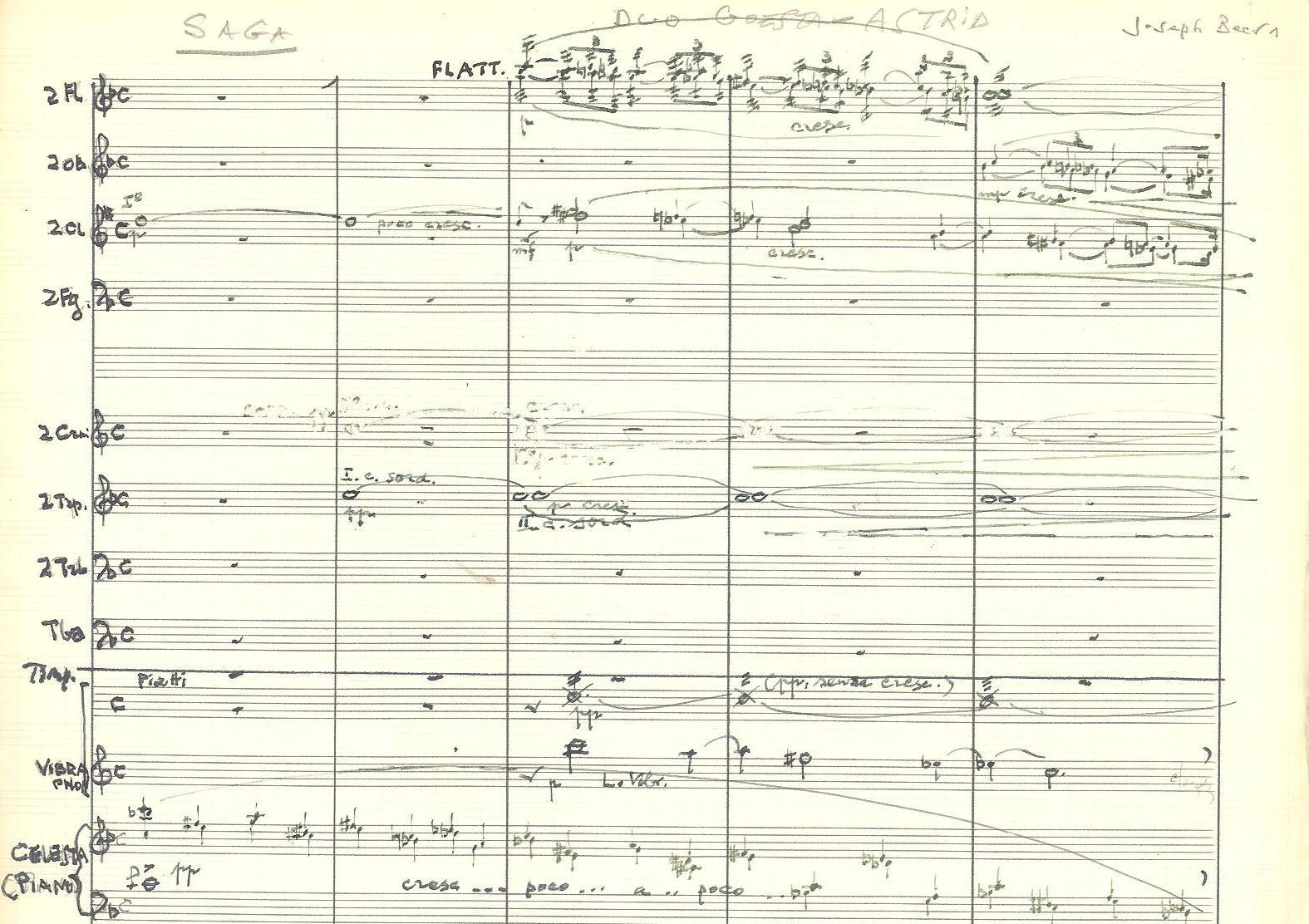
In Paris, now a refugee living in a hotel room, he survived by adapting instrumental works for orchestra. He accepted a commission from a Zurich Opera conductor to write an opera which would be performed in Zurich under the latter's name. Joseph closeted himself in his hotel room and emerged three weeks later with a fully finished opera, including all vocal and orchestral parts. The musical score had been written entirely without benefit of a piano. The first time he actually heard his work was during its radio broadcast from the Zurich Opera House. He then commented that aside from a couple of things here and there, he was basically pleased with his work!
After the Germans invaded Paris two years later in 1940, Joseph traveled to join his brother in Nice, which was as yet free of Nazi control. He was to remain there for the duration of the war. His livelihood still consisted in composing, much of the time without a piano, arranging pieces for local orchestras and writing music for others to claim as their own. It is also during that time that he composed his third major work, Stradella in Venedig, a "commedia dell' arte opera" inspired from the tragic life of the well-known seventeenth-century composer and set in Venice during that time period. Far removed from the composer's own threatened circumstances in its inspiration, it is quite different stylistically from his first two works.
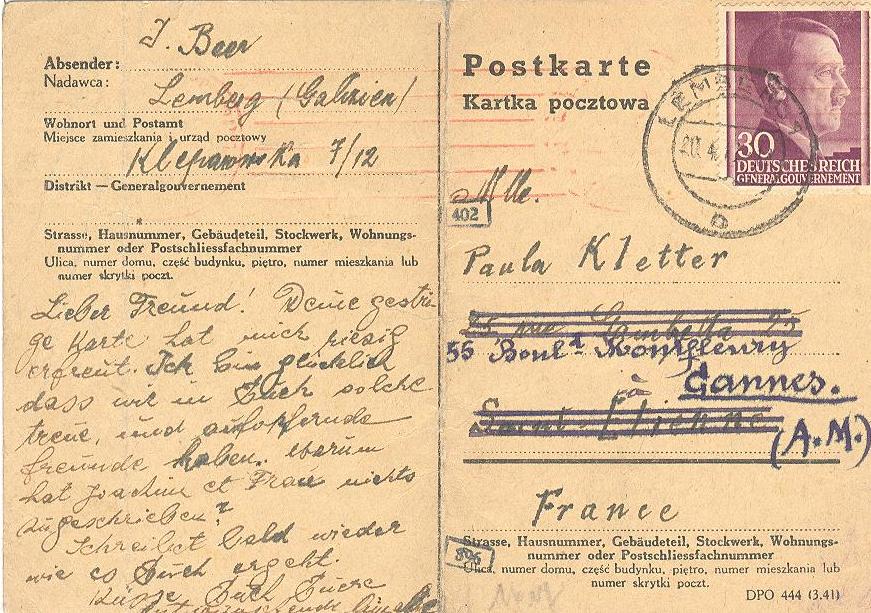
So it was that his father, Uri Isidore, mother Amalie Esther Malka and his young sister Suzanne all perished at Auschwitz.
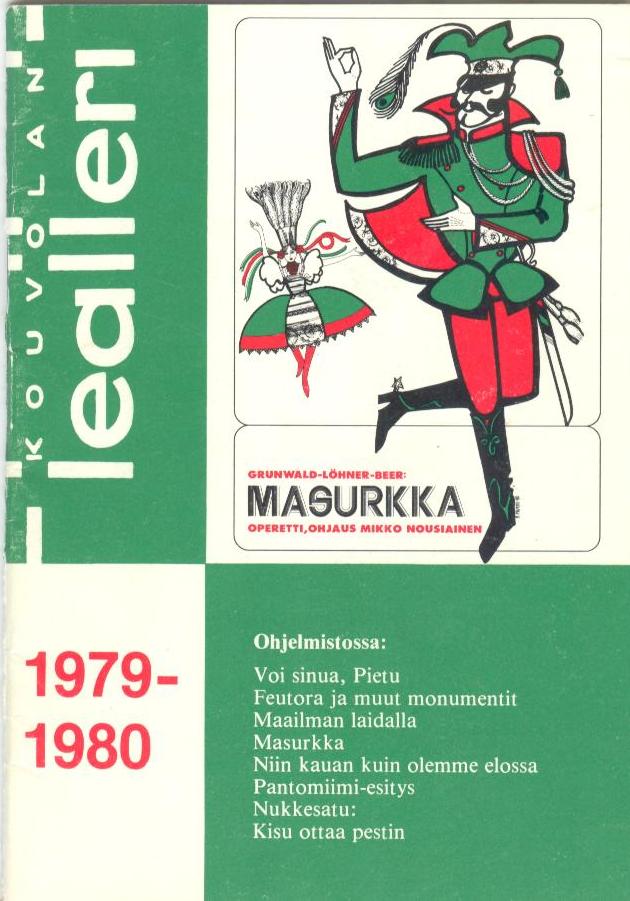
After the war, profoundly affected by the deaths of his loved ones, Joseph Beer recoiled from success. Many of his former associates had been killed, such as the celebrated librettist L�hner-Beda who died at Auschwitz. Others had been Nazi collaborators or, at best, passive bystanders with whom Joseph now adamantly refused to do business. In the decade following the war, there were several occasions when opera directors and agents came all the way to Nice to sign an agreement to produce his operas. Somehow he always found a way not to make a deal. A man who had been by all accounts before the war a witty, charming, dazzling man, was now becoming increasingly withdrawn and difficult, unwilling or unable to accept success any longer. Despite his recalcitrance, some works were produced. Polnische Hochzeit continued to be performed in Scandinavia until 1982 without his cooperation or consent, or even posthumously until 2002, often under the alternative title of Masurkka.
In 1946, an oratorio work, Ave Maria, a cantata for soloists, mixed choir and organ, premiered at the Notre Dame Cathedral in Nice, France, staring famed Austrian soprano Lotte Sch�ne and renowned tenor Enso Seri. Stradella in Venedig, the opera composed in hiding during the war, premiered at the Zurich Opera House in 1949. It received widespread acclaim and critics such as Kurt Pahlen wrote in his World Music History (Opern der Welt), "... a comic opera of the highest sort", while the libretto was adapted to the French stage by renowned French playwright and Acad�mie Fran�aise member Andr� Roussin. But Beer did little to encourage its performance after the initial run. He later confided that his mother, with her staunch faith and support for him, had been the secret behind his brilliant success as a young composer in Vienna. With her tragic death, he had become indifferent to professional distinction. He had survived her physically, but not emotionally.
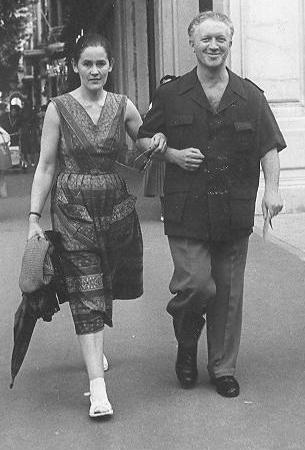
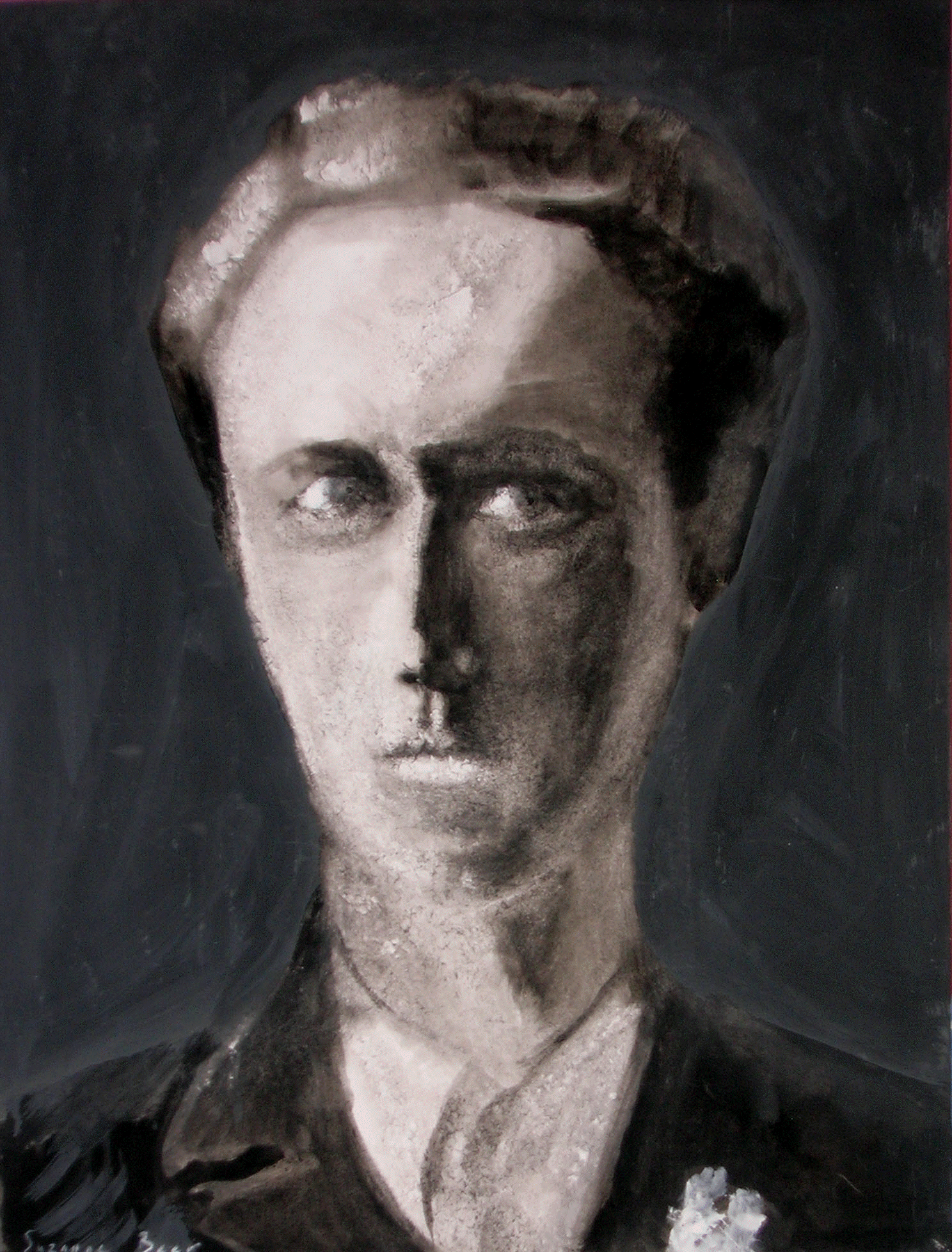
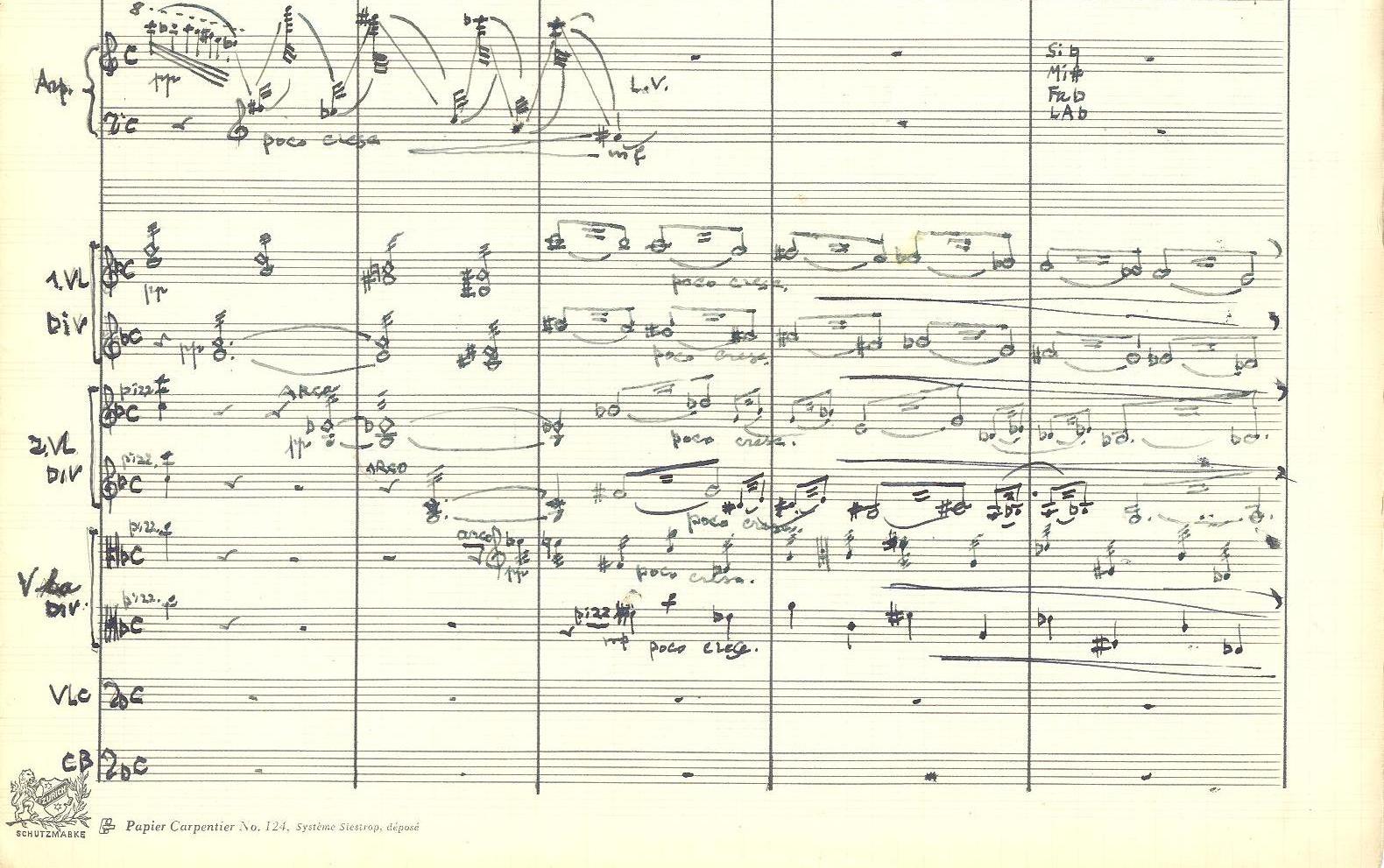
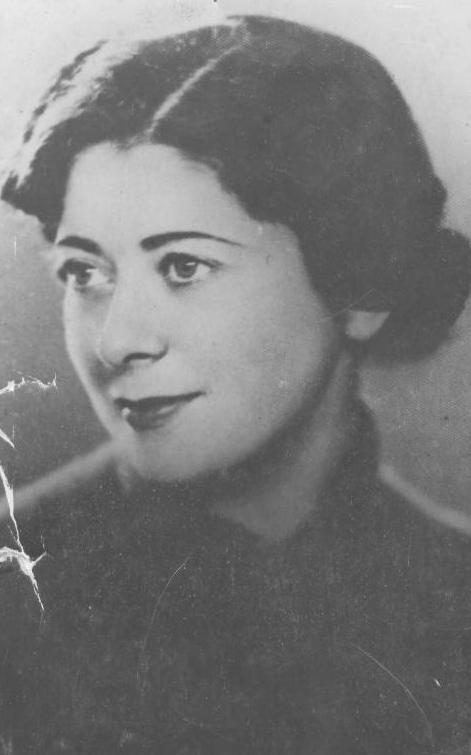
From that time on, Joseph Beer composed in solitude. He toiled relentlessly, seldom taking a day off, typically working well into the night. He constantly refined his craft, tirelessly polishing and reworking each piece, always seeking higher standards of musical expression. The results are a tribute to his dedicated efforts. We are left with a greatly original body of work of tremendous power and beauty -- truly the work of a master. In these labors, Joseph was assisted only by wife Hanna, a young Jewish refugee from Munich whom he met in Nice after the war, and who, in later years, bore him two daughters, Suzanne Beer, an award-winning artist and philosopher based in Paris, France, and B�atrice Beer, an internationally-acclaimed opera singer based in Philadelphia, PA (USA).
For the next forty years, Hanna would serve as his sole collaborator, critic... and often overworked typist! Beer rarely took a single day off from composing or went on vacation with his family. He did make time however for scholarly research. In 1966, he earned a Doctorate in Musicology from the Sorbonne University at the direction of the eminent French philosopher and musicologist, Vladimir Jank�l�vitch. His thesis topic: The Evolution of Harmonic Style in the Work of Scriabin. He received the highest honors for it (Mention Tr�s Honorable et F�licitations du Jury) and Jank�l�vitch offered to get the work published with a foreword authored by him. But Beer declined. He had but one passion: composition.
Through the years, proposals to adapt his operas to the French stage came from prominent French librettists, including one of Ravel's lyricists L�opold Marchand, Arthur Honegger's librettist, Albert Willemetz, and one of Franz Lehar's librettist, Albert Gilbert. All were enthusiastic supporters of the composer. On one occasion, Gilbert wrote to him, "Joseph, you are the greatest composing genius of our century. This may sound simplistic to you, but I say as I feel." Beer, however, remained a confirmed loner. He continued to compose daily till his passing on November 23, 1987. He leaves behind a large body of work which he ceaselessly revised and polished till the end. The Beer legacy includes among others two operas, La Polonaise, a comic opera with a historic subject set in Russia-occupied Poland during the Napoleonic era, and Mitternachtssonne, a supernatural romance populated with lumberjacks and elf-like creatures called Nissen set in rural Norway of the 1930's. Both operas feature a wealth of profoundly beautiful, intensely felt arias where sublime levels of inspiration are clearly felt, set to highly innovative, intricate, sophisticated harmonies -- the culmination of a life time of composing. In 2006,
Joseph Beer's wife Hanna Beer and her daughters started the internationally run Joseph & Hanna Beer
Foundation. Its mission is to see Beer recognized as a
major 20th Century Composer and his oeuvre brought back to international
fame and performed globally. Joseph Beer is currently Composer-in-Residence In Memoriam with The Atlantic Coast Opera Festival, a Philadelphia based international summer opera Festival which is planning to premiere one of the composer's opera in the near future. For more information, please visit http://www.atlanticcoastoperafestival.org/about.htm
Joseph
Beer�s music started to experience the start of a major renaissance
when, among
others, it was included in a sold out concert at the
Th��tre du Ch�telet in
January 2010 featuring the famed
Orchestre Pasdeloup
under
the baton of
Maestro
David Charles Abell
(who has since recorded a CD
with Diana Damrau among others.)
The event was broadcasted by France's major classical radio channel
France Musique
mid-March.
In December 2010, the prestigious Viennese publishing house Doblinger Musikverlag signed up Joseph Beer. Its well connected CEO Peter Pany is presently starting with the promoting of Beer�s outstanding pre-war youth success, Polnische Hochzeit -- �a great and timeless work,� wrote Herr Pany � as well as Stradella in Venedig, Beer�s last publicly performed opera.
In July
2012,
Polnische Hochzeit sees a Viennese Revival
Premiere by the Wiener Operettensommer under the baton of
Maestro Charles Prince, son of the legendary producer Harold
Prince who is also getting involved.
� October 2016: Release by the exclusive German classic label CPO
of the German premiere/live CD recording
-- Munich Radio
Orchestra and soloists, chorus from the renowned G�rtnerplatz
Theatre,
Ulf Schirmer conducting!!
Winter
2017
will
see the publication of Beer�s Sorbonne doctoral thesis
L��volution du style harmonique dans l��uvre de Scri�bine (The
Evolution of Harmonic Style in Scriabin�s Works) by France�s
premiere musicology publisher Aedam Musicae
-- based on a
letter by famed musicologist
Vladimir Jank�l�vitch praising the work as the best, most
in-depth study of its kind on the topic.
Joseph Beer�s inspiration can be can be said to be tri-fold in nature: Slavic (Russian/Polish) with Tchaikovsky, Chopin and Scriabin among others, the Viennese School/German (mainly Brahms and Beethoven but also Mendelssohn and Mahler) and Italian (mainly Puccini.) Despite his living in France for more than half of his life, the only French composers whose influence can be heard are Ravel mainly, and also Bizet at times. Traces of jazz and Klezmer and sundry folk influences can also be detected in Beer�s oeuvre, as the composer believed, along with some of his predecessors such as Brahms, Mahler etc., that in order to be a bona fide classical composer, a musician must first be thoroughly acquainted with the popular level of his musical roots and heritage. Periods Three periods of compositional inspiration, style and technique emerge from Beer�s works: 1- Youth/Viennese Period: influenced by the Viennese operetta genre in some sense, yet, as Beer�s composition teacher and mentor Josef Marx himself wrote, going far beyond it through the complexity, depth and wealth of compositional genius and technique. Works are churned out in a few weeks by an overly gifted, carefree youth who has been composing since age 7 (starting off by attempting to invent his own musical notation system!!) and to whom the art form comes as easy as reading a newspaper!
2- War/in Hiding Period: A total shift of inspiration and technique, with further depthening of the intricacy and sophistication of the compositional style and technique.
3- Post-War Maturity Period: Another total overhauling of compositional technique where the great composer is in full mastery of his art and puts forth timeless melodies set to lush, idiosyncratic harmonies, and totally innovative and masterful orchestration.
Conclusion Beer�s operas are characterized by exquisite, gorgeous and unique arias which remain in the ear -- albeit always surprising the listener -- set to lush and innovative harmony. They include pieces which are effervescently rhythmical, at times, even jazzy. Altogether, while stemming from the grand romantic tradition, Beer�s style reflects decidedly modernistic influences as well, while being utterly idiosyncratic and bearing its own griffe. In sum, the oeuvre reveals a level of inspired craftsmanship which is truly innovative and unique. It can be easily recognized and set apart from all others, revealing the brilliant work of one of the leading composing masters of the 20th Century.
�
I - Books �
Entartete Musik : Les voix �touff�es du III� Reich
[Degenerate Music : The Stifled Voices Of The Third Reich] by
Amaury Du Closel,
Actes Sud, Arles, France, 2005
II -
Recent Articles Many articles were written pre-war on Joseph Beer and his two highly successful youth works, viz., Der Prinz von Schiras and Polnische Hochzeit -- in major publications, newspapers and magazines, in major cities across Europe and Scandinavia. List available upon request.
III
- Online Publications
�
� |




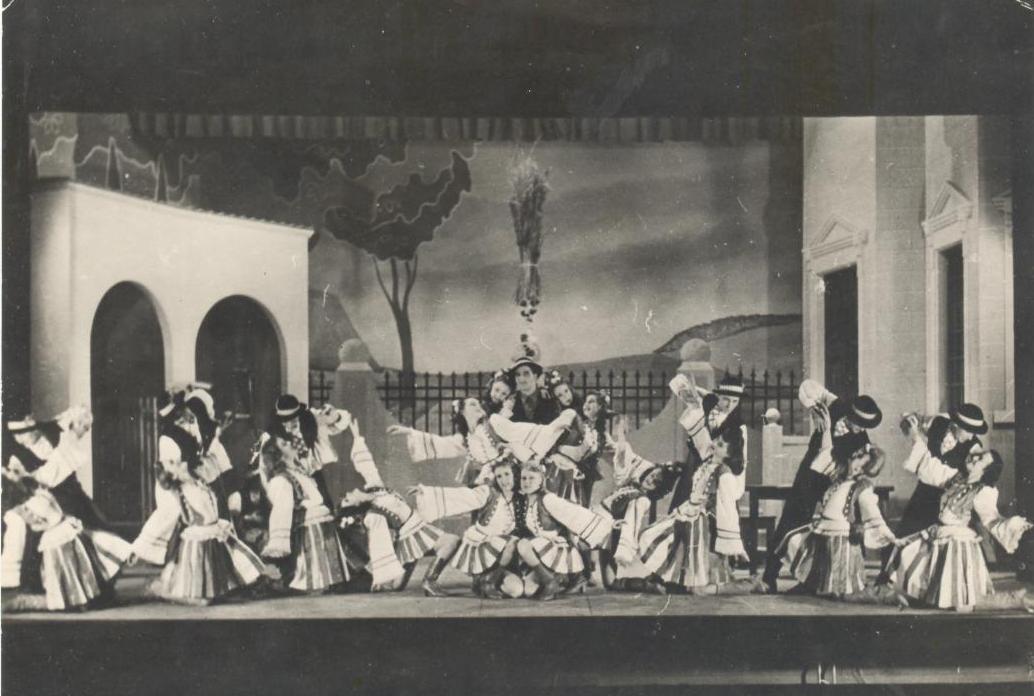
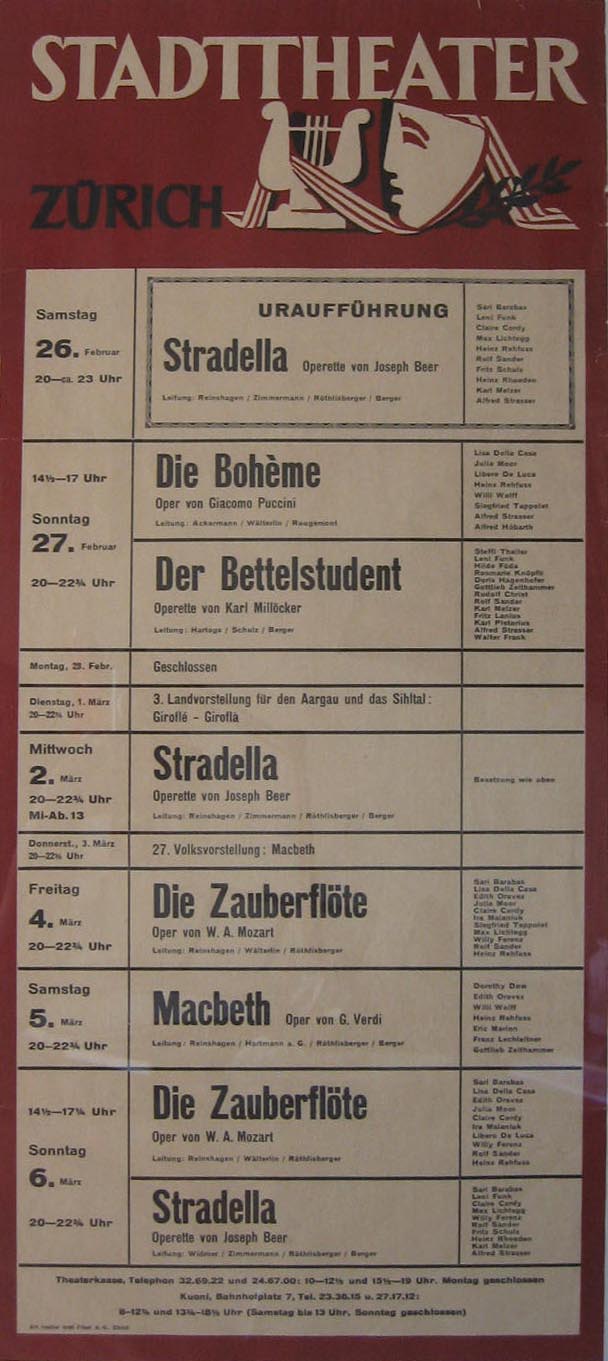 World Premiere of Joseph Beer's Opera Stradella at the
Zurich Opera
Theatre
(1949)
World Premiere of Joseph Beer's Opera Stradella at the
Zurich Opera
Theatre
(1949)